








Neon Whispers: A Feline Journey Through the Urban Maze
Exploring the Neon Alleys: A Unique Perspective on Stray
As an avid gamer and longtime explorer of creative virtual worlds, I found Stray to be one of the most intriguing adventures in recent memory. With its enchanting urban wilderness and a distinctive feline perspective, the game offers an immersive narrative that captivates the player from the first moment. I was immediately drawn into its visual splendor, where every alley, hidden corner, and futuristic facade is meticulously designed to evoke both a sense of wonder and quiet melancholy.
A Journey Behind the Eyes of a Cat
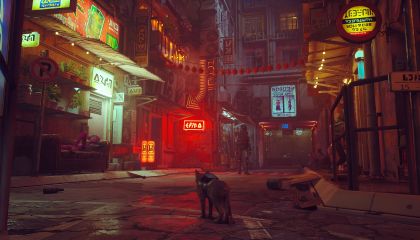
Stray challenges traditional storytelling in video games by placing the player in the role of a stray cat navigating a city ruled by enigmatic forces and technological anomalies. The gameplay mechanics encourage you to sneak, explore, and observe, creating a fluid experience that artfully blends platform exploration with puzzle-solving. As you journey through neon-drenched streets, intricate urban mazes, and winding underground passages, the game expertly captures the feeling of vulnerability and discovery.
This design choice is innovative and refreshing. The ever-changing perspective keeps you engaged, and the narrative unfolds organically, prompting deeper contemplation over what it truly means to be free, lost, and hopeful. The game does not peddle in traditional action tropes but instead allows you to observe the subtleties of a decaying metropolis while forging bonds with unexpected allies along the way.
Visuals, Sound, and Emotional Depth
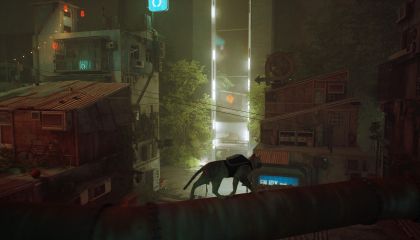
One of the standout features in Stray is its striking artistic direction. The game uses a vivid palette to create contrast between the gleaming, high-tech backgrounds and the more subdued, mysterious spaces where the feline protagonist often finds solace. The use of light and shadow plays a crucial role, conveying feelings of isolation and the beauty of urban decay in equal measure.
The ambient soundtrack complements this visual feast perfectly. It is both haunting and uplifting, providing just the right level of emotional depth during your explorations. I found that the music not only sets the mood but also acts as a subtle guide through the maze-like sectors of the city.
Gameplay Mechanics and Player Engagement
At its core, Stray is remarkably immersive. The controls, designed specifically to emulate the movements of a nimble cat, are both intuitive and responsive. Running, jumping, and interacting with objects all feel natural, contributing to an overall sense of fluidity as you traverse the environment. The mechanics encourage you to think creatively about obstacles and challenges, rather than relying solely on brute force.
A significant asset in the game is how it invites players to explore every nook and cranny of its detailed world. By using clever puzzles that intertwine environmental design with narrative elements, the gameplay never feels repetitive. Instead, it prompts you to plan your route, solve intricate challenges, and reflect on small clues that hint at a larger, more complex world behind the surface. This intricate design ensures that every moment spent in the game contributes to a deeper understanding of both the environment and the protagonist's inner journey.
Immersive Storytelling and Character Complexity
Unlike many contemporary titles that focus on linear storylines and well-trodden paths, Stray makes a concerted effort to let the environment tell its own story. Each building, each dimly lit corridor, almost seems to resonate with historical significance. The subtle interplay of narrative fragments and the serendipity of unexpected encounters build up a rich tapestry that reflects the rapid transition from a familiar past to an uncertain future.
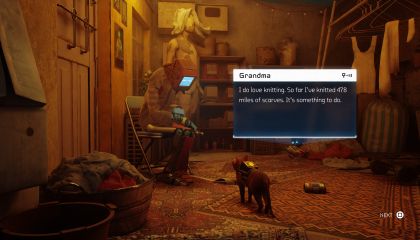
The protagonist, a stray cat with a spirited personality, is more than just a controllable character; it embodies the essence of freedom and the longing for connection. The game invites you to reflect on the nature of life in an urban sprawl, capturing the inner conflict of survival against towering odds. In many ways, Stray is not just about surviving the mysterious forces at play in a high-tech city—it is about reclaiming a sense of identity amid chaos.
Seamless Integration of Technology and Art
While the gameplay mechanics and narrative keep you consistently engaged, Stray excels in its integration of technology and artistic expression. The world is at once futuristic and undeniably organic, a blend of advanced technology with natural elements that creates an ambiance both eerie and captivating. The interplay of cybernetic constructs and nature in the game world reflects broader conversations about technology's impact on society. It’s a narrative that never feels forced, instead inviting you to reflect on the blurred line between progress and regression.
Additionally, the game’s user interface is streamlined and unobtrusive, ensuring that the focus remains on the environment and the unfolding story. This design ethos extends to the inclusion of various exploratory elements—hidden alcoves, secret passages, and interactive objects that can change the outcome of your journey. Finding and utilizing these elements adds a layer of strategic depth, nudging you to experiment with various approaches along the way.
Dynamic Environments and Exploration
Each district within the game is crafted with careful attention to detail and designed to evoke a unique atmosphere. The vibrant cityscapes, punctuated by futuristic structures intermingled with natural decay, continually evolve as you progress. That level of interactivity reaches far beyond simple scenery; every corner houses elements that can remind you of the transient beauty of lost civilizations.
Moreover, Stray incorporates elements such as varying weather conditions and day-to-night cycles that further enhance the sense of realism. These features make the experience dynamic and remind you that the world is living and ever-changing. For players who appreciate a game where every element seems to have been hand-picked and adjusted for maximum impact, Stray offers an environment that feels almost personal. It's a game where the surprises are woven into the fabric of the narrative.
Technical Performance and Accessibility
From an experienced gamer’s perspective, technical performance in Stray is on par with contemporary high-end titles. The optimization across different platforms ensures that you can experience the game with minimal glitches or performance hitches. Whether you decide to download a patch, install the latest update, or even use certain mods to refine your gaming experience, the overall framework remains robust.
One noteworthy aspect is the game's accessibility. It is designed to be played on various platforms, and no matter where you choose to engage with it—be it a home console, a mid-range PC, or even via cloud gaming—you will find that Stray adapts smoothly. Additionally, the game’s lightweight installation process and clear system requirements make it easy to get started. For those who love to explore options like mods or even look up a few cheats online to tweak gameplay, Stray is a stable foundation to experiment with.
Community and Extended Content Options
Stray has also managed to carve out a niche community of dedicated gamers who actively share their discoveries, strategies, and even mods. It’s refreshing to see a game where the narrative remains consistent while allowing room for creative modifications. Whether you are looking for cheats to marginally alter the difficulty or mods to visually enhance the environment, there is a thriving scene that supports these efforts. Such community-driven enhancements add a layer of longevity, ensuring that the experience stays fresh long after the initial playthrough.
For new players, the enthusiasm of veteran gamers can serve as a welcome guide. Community tutorials and countless online reviews make it easier to grasp the game’s nuances, from basic navigation to the more intricate puzzle designs. Even the inclusion of user-submitted mods allows the game to evolve far beyond its initial design, highlighting the collaborative spirit inherent in many modern titles.
Final Thoughts on Stray
In conclusion, Stray is much more than a simple adventure; it is a thoughtful exploration of a futuristic yet decaying society seen through the eyes of an unlikely protagonist. With its immersive narrative, striking visuals, and intuitive gameplay, the game has cemented its place as a must-play title for those who value both artistic storytelling and innovative gaming mechanics.
For anyone interested in exploring an urban labyrinth where the environment whispers secrets and the feline protagonist leads you on a journey of self-discovery, Stray is an experience not to be missed. The game invites you to challenge your perceptions, to use your instincts to navigate an enigmatic landscape, and to savor every moment of its carefully crafted world. It is a testament to how video games can be both narrative masterpieces and interactive art forms.
Moreover, Stray offers flexibility in how you choose to experience the game. Whether you decide to play a standard version or take advantage of various mods for an enhanced visual or gameplay twist, the experience remains rich and fulfilling. With easy options to download and install, and support across multiple platforms, there’s essentially no barrier to diving into this memorable world. The game even caters to those in environments with strict access controls, allowing for unblocked play across several contexts, even if you're in a restrictive setting like school or work.
What truly sets this game apart is its ability to remain engaging across extended play sessions. Even after multiple playthroughs, there is always a nuance or detail waiting to be uncovered, ensuring that players keep returning to its silent urban corridors. The combination of environmental storytelling, vibrant art style, and an engaging soundtrack effectively encapsulate an experience that is both reflective and brimming with the promise of adventure.
For gamers who appreciate an artful blend of narrative and gameplay, Stray is a shining example of what the modern video game design can achieve. With its distinctive perspective and intricate power dynamics between technology and nature, it calls out to anyone looking for a game that challenges conventional boundaries. Whether you want to download the game for a quiet evening at home or install it to explore further with the assistance of mods and cheats, Stray promises an unforgettable journey that extends well beyond simple cat-and-mouse dynamics.
Embracing the Experience: An Invitation to All Gamers
As someone who has traversed countless virtual landscapes, I believe that Stray’s real charm lies in how it redefines the interplay between character and environment. This is not just a game to be enjoyed; it’s a reflective experience inviting you to explore themes of abandonment, resilience, and the quest for connection. The hidden layers of narrative keep the brain engaged just as much as the challenge presented by seemingly simple gameplay mechanics.
When you decide to download and play Stray, you are opening a door into a world where every shadow hides a story and every whispered secret enriches the overarching narrative. The game's balance of realism and stylized fantasy makes it particularly heartening for those who seek depth in their digital explorations. Even if you stumble upon unexpected twists or face daunting sections along the way, the sense of progress and fulfillment is constant. Furthermore, exploring user-submitted mods and in-game cheats only enhances the immersive capabilities of this well-rounded title.
In summary, Stray stands out as an exceptional blend of art, story, and interaction. Its ability to coax out both a sense of nostalgia for classic adventures and excitement for modern gameplay innovations is commendable. As you navigate a labyrinth of futuristic relics and urban secrets, you'll not only be captivated but also inspired to view each interaction as a potential doorway to deeper understanding. With plenty of opportunities to use mods for customization, or even apply cheats if you’re curious about altering the default gameplay dynamics, this title is versatile enough to meet diverse gaming preferences.
How to download Stray
Availability & Launch: Stray is accessible on several digital storefronts and individual websites where you can download the game. Certain versions may even be free to try before purchasing, depending on promotions and bundles available at the time.
Platforms: The game supports a variety of platforms including PC, Mac, consoles, and even mobile devices. While not every device is optimized, it is downloadable across major systems and occasionally playable via cloud or emulator options on unsupported platforms.
Install: Once you choose your preferred source to download, simply follow the on-screen instructions to install the game. The installer walks you through the standard setup process, ensuring that the game is ready to play with minimal fuss.
System Requirements: For PC and Mac, the minimum specifications include a recent dual-core processor, 8GB of RAM, and a moderately capable graphics card. Android devices should have a recent operating system and sufficient memory to handle high-resolution textures. Make sure your system matches or exceeds these requirements for an optimal experience.
Cheats / Mods: Users can explore an active community of mods that enhance visuals and gameplay. While some cheats may be available online, it is advised to use them cautiously to preserve the game’s natural narrative flow.
Unblocked Access: Stray is sometimes available through controlled releases that allow for unblocked playing environments. This makes it possible to enjoy the game in restricted settings like schools or workplaces where access might normally be limited.
Pros
- Immersive and detailed visuals that bring the futuristic urban setting to life
- Intuitive gameplay mechanics that accurately emulate feline movements
- A captivating narrative that unfolds organically through exploration
- Dynamic environments with weather and day-night cycles enhancing realism
- Strong sound design that complements the atmospheric experience
- Cross-platform availability with robust community support for mods and cheats
Cons
- Performance issues may occur on lower-spec systems
- Some puzzles might be overly challenging for casual players
- Limited combat or action elements may not appeal to all gamers




















Leave a comment
Your comment is awaiting moderation. We save your draft here
0 Comments